
Welcome to the Critical Skills Blog, home to over a thousand human-generated articles—never AI—on topics that matter to continuous education. To find articles of interest, use the “Search” tab. Please feel free to comment, and please subscribe. All content on this site is free.
-
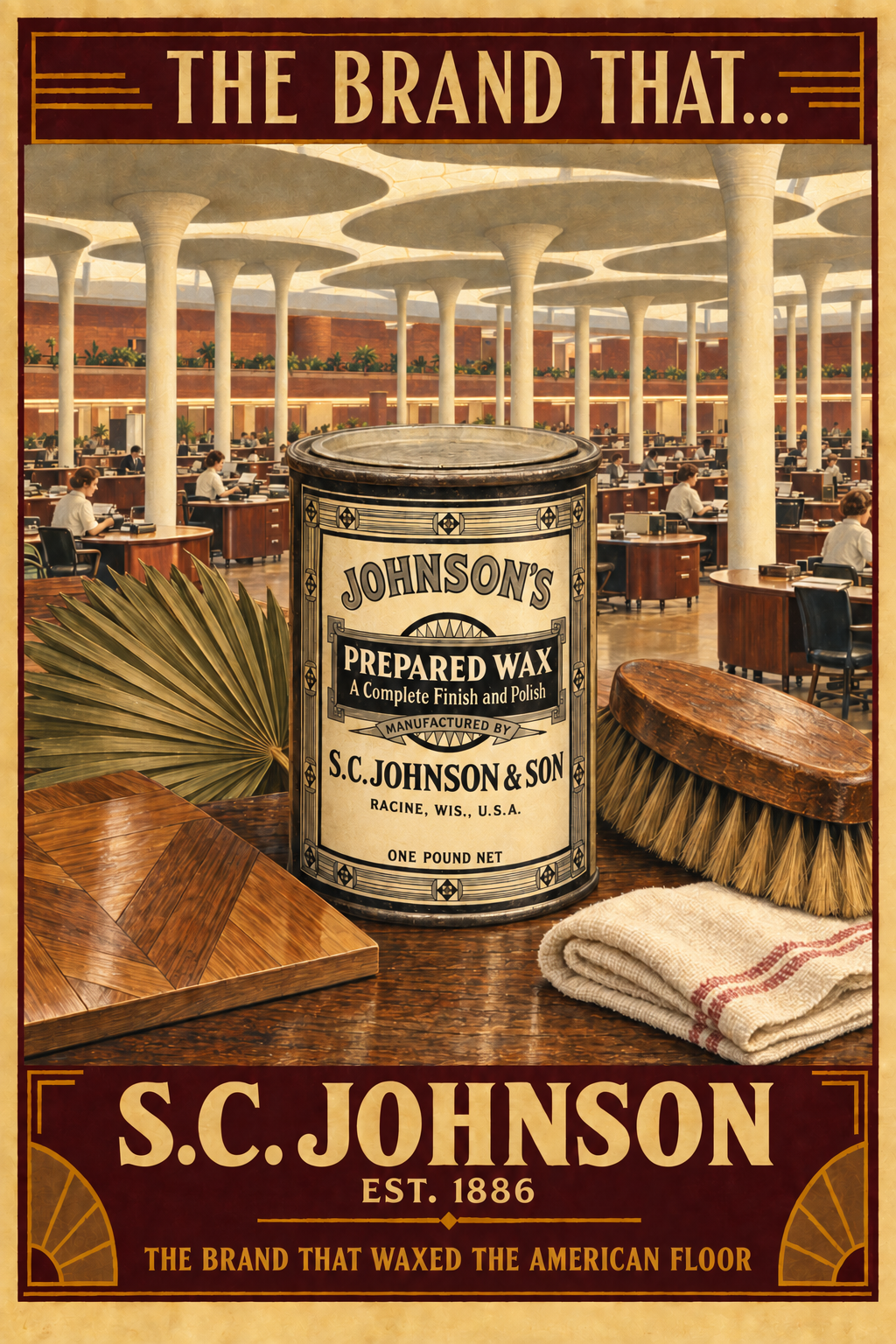
The Brand That . . . . Waxed the American Floor
Samuel Curtis Johnson was nearly fifty, with a string of failed ventures behind him, when he started selling parquet floors in Racine. His customers’ question — how do we keep them? — became Johnson’s Wax, then Glo-Coat, Fibber McGee’s “Waxy,” and a Frank Lloyd Wright headquarters with a glass roof… More⇢
-
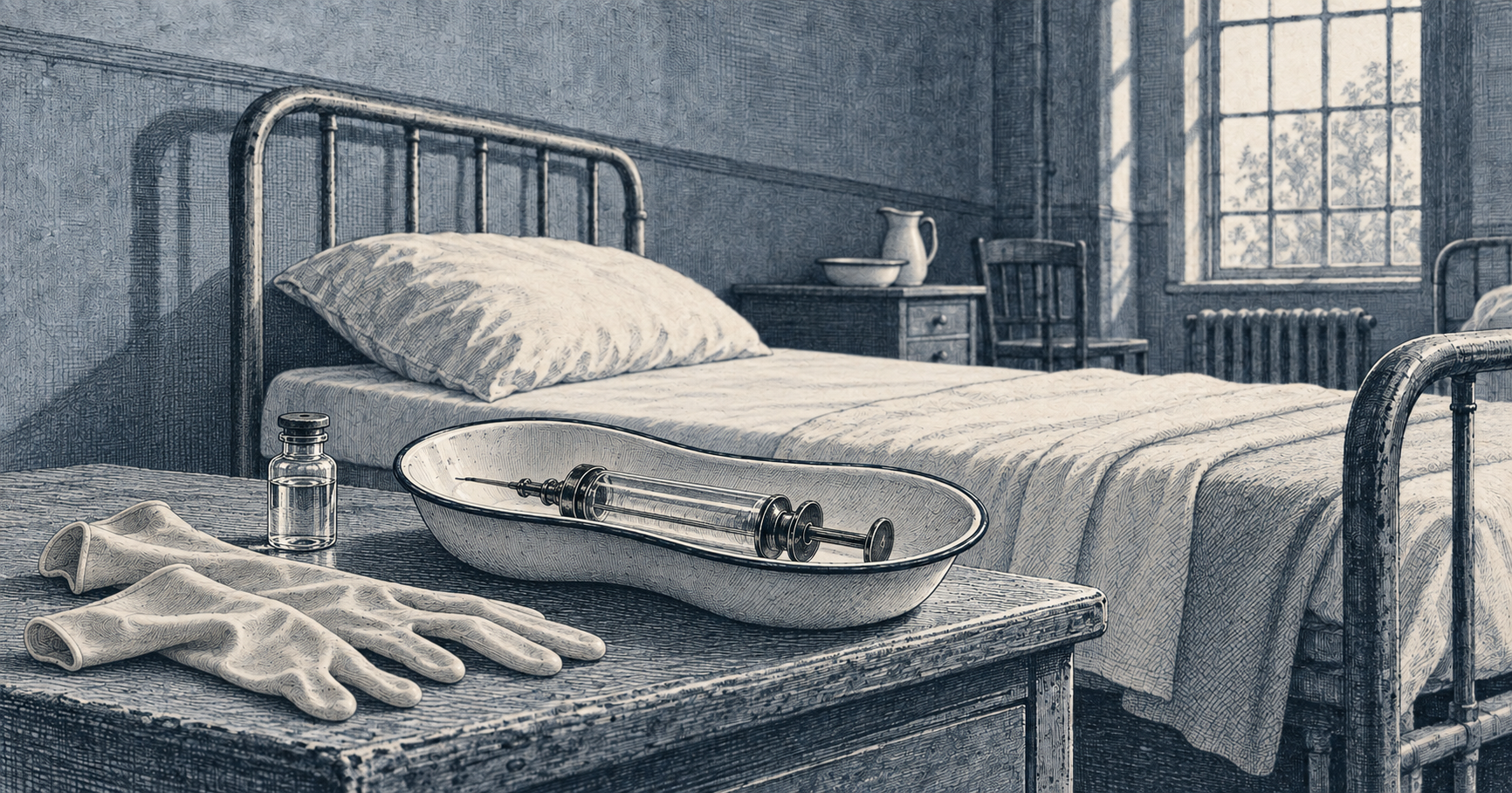
How Healthcare Changed – 19 – From Mustard Gas to a Cure
On August 27, 1942, a dying man in New Haven was injected with a classified cousin of mustard gas, and within days his tumors shrank. Ninety-six days later he was dead. This article follows chemotherapy from that ward to Sidney Farber’s children in Boston, the women cured of choriocarcinoma, the… More⇢
-
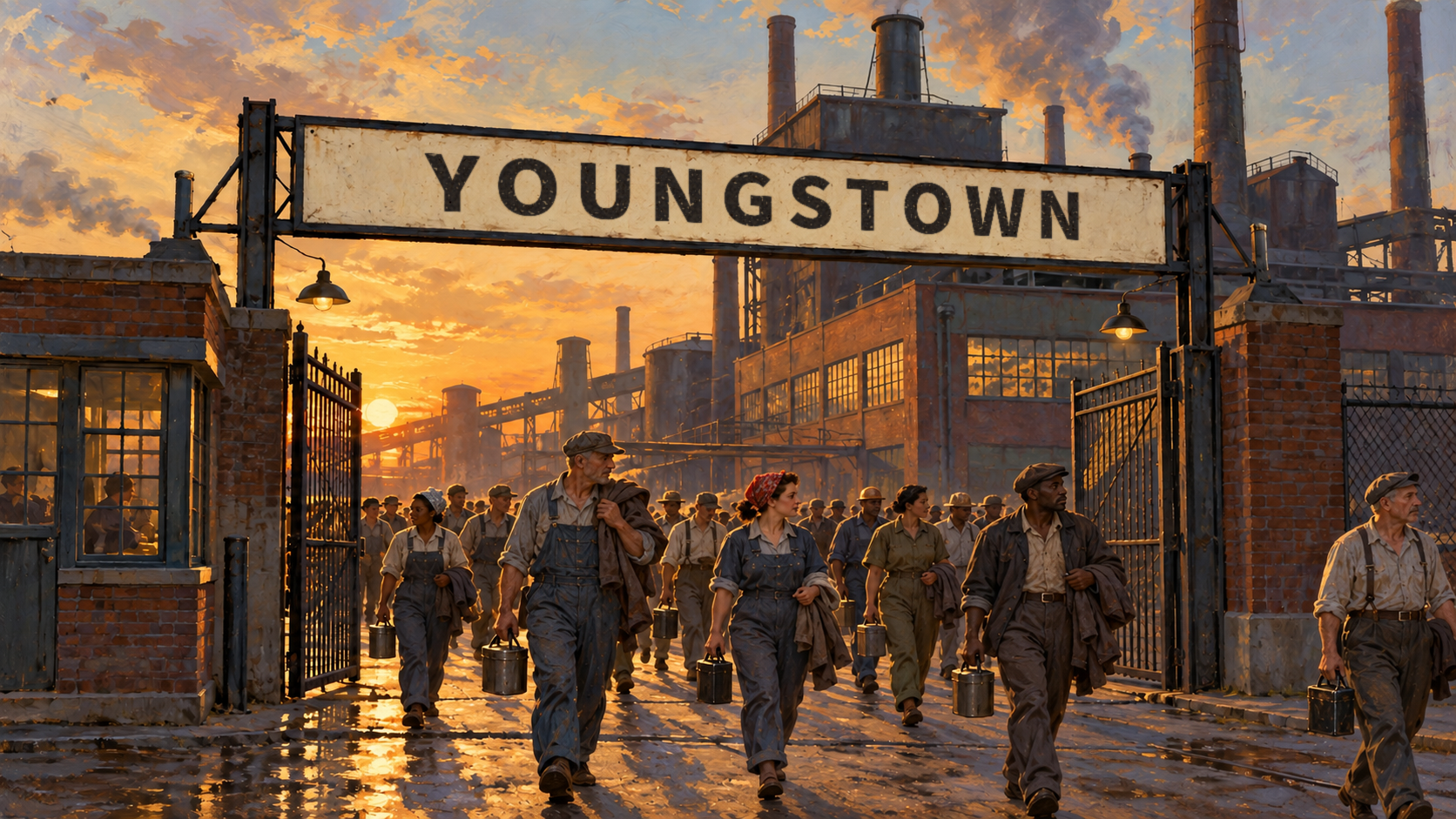
After the Last Shift – 01 – Youngstown
On September 19, 1977, Youngstown Sheet and Tube handed reporters a press release that ended about 5,000 jobs at its Campbell Works. The first entry in After the Last Shift… walks the ground where the mill stood, weighs why it really closed, and follows the people who walked out the… More⇢
-
The City That . . . . Forged the Modern World
In 1866 a visitor looked down on Pittsburgh’s smoke and called it hell with the lid taken off, nine years before Carnegie’s first steel works opened. For a generation afterward, much of the country paid for its steel as if it had come from Pittsburgh. Then the mills closed, the… More⇢

-
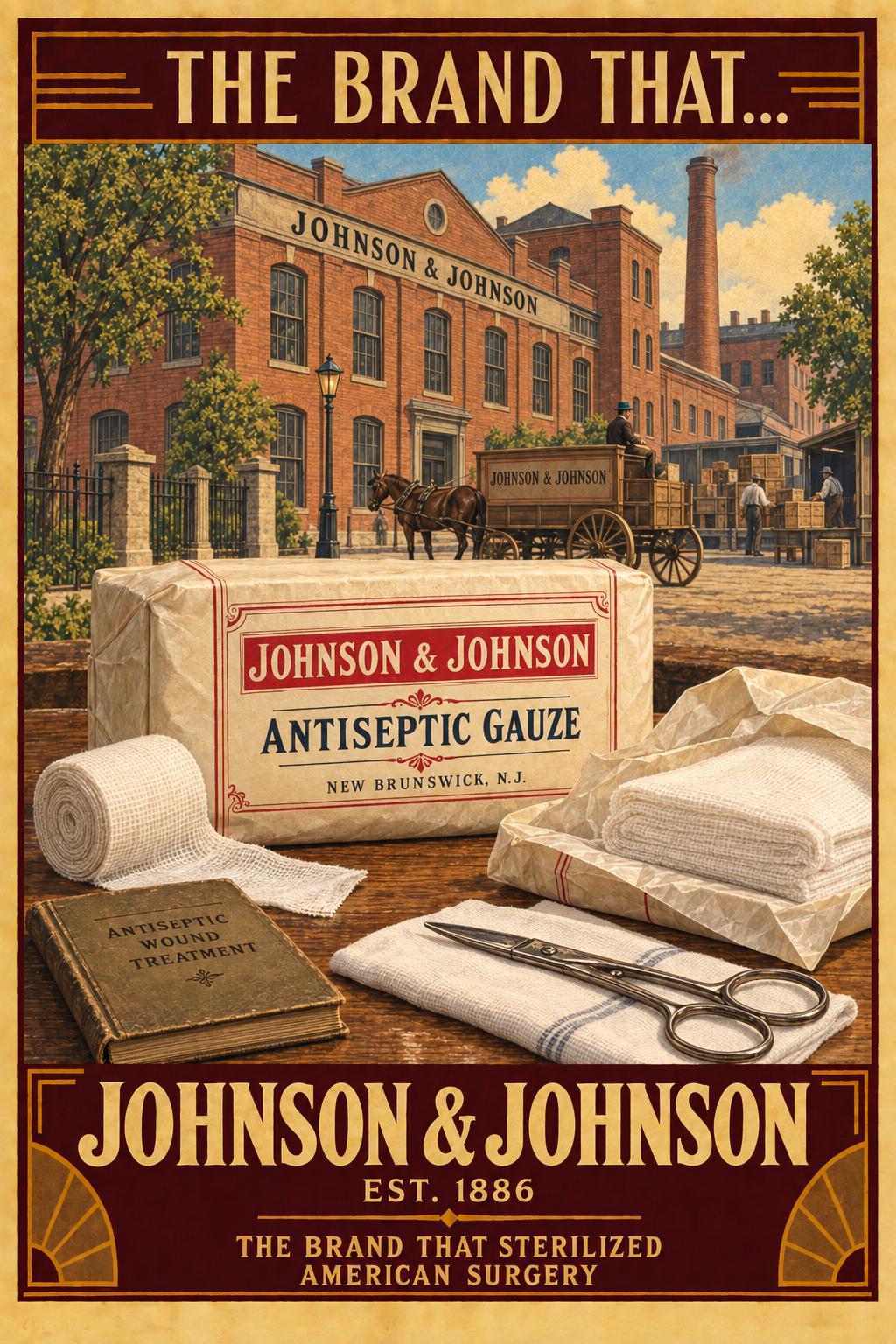
The Brand That . . . . Sterilized American Surgery
In 1886 two brothers set up in an old wallpaper factory in New Brunswick, New Jersey, and within a year they were sealing surgical gauze in fruit jars. The name they built came to mean what went into America’s wounds and medicine cabinets, through a poisoned-capsule crisis in Chicago that… More⇢
-
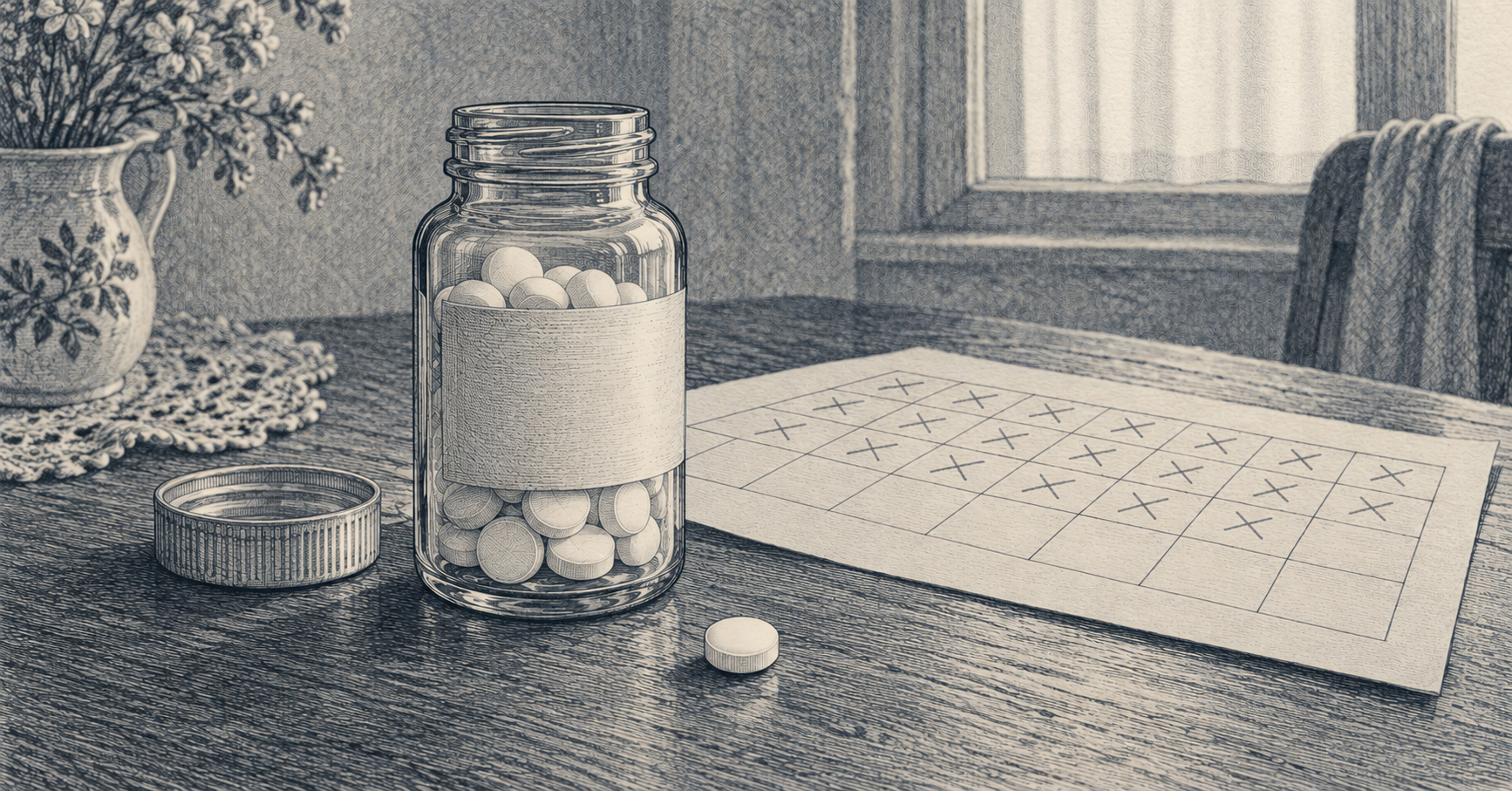
How Healthcare Changed – 18 – Day Five . . . The Pill
In April 1956 a woman in a housing project outside San Juan was handed a bottle and told to start on day five. She was not told the drug was experimental. Day Five follows the first oral contraceptive from a widow’s checkbook and a Mexico City laboratory through the FDA… More⇢
-
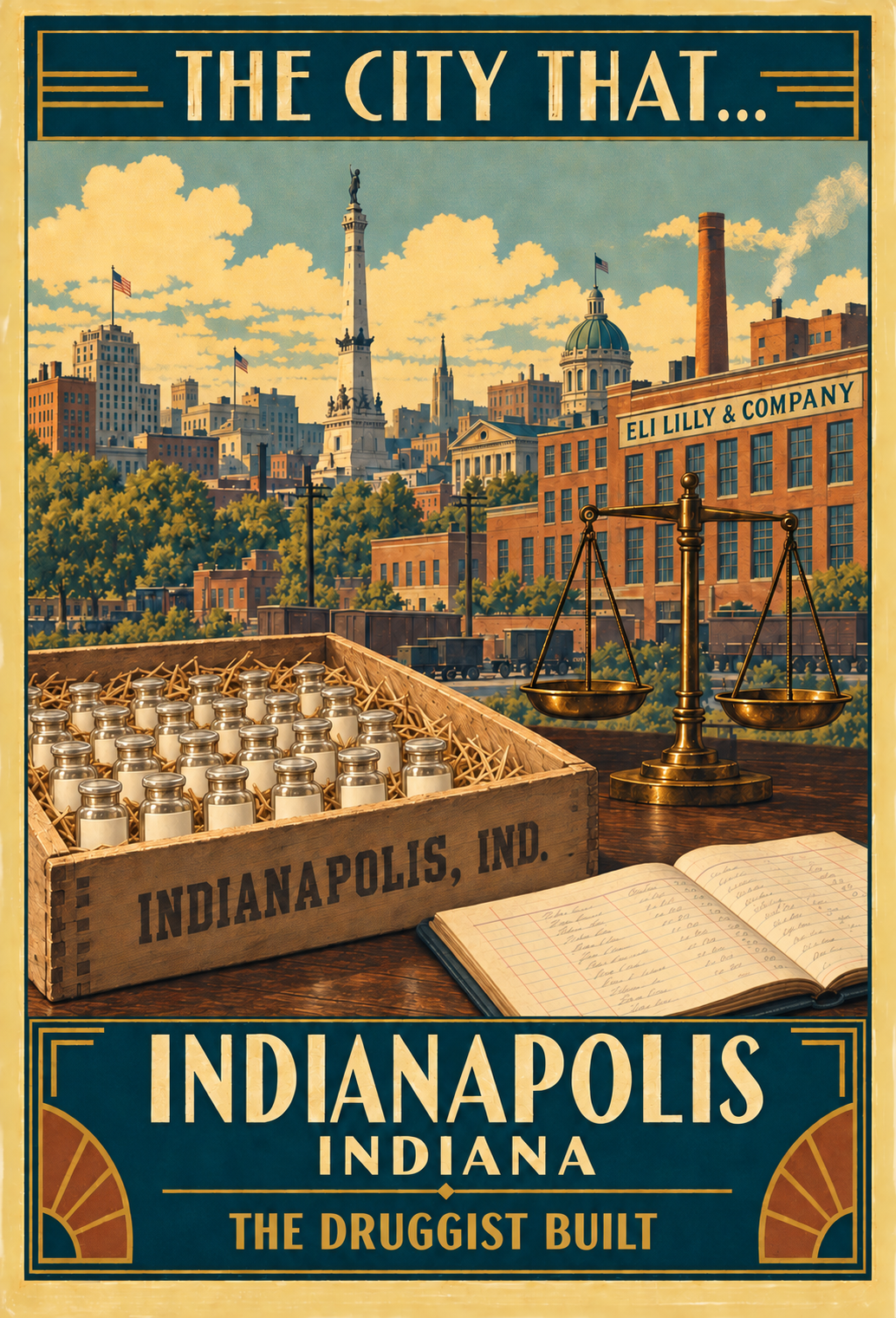
The City That . . . . The Druggist Built
Indianapolis was a city before Colonel Eli Lilly opened his laboratory on Pearl Street. Then one family’s medicine money helped build it three times: the streets of the 1890s, the downtown of the 1980s, and a company that never left. This is the story of a three-ounce gland that had… More⇢
-
The Brand That . . . . Carbonated the American Century
A Confederate druggist shot and slashed at Columbus. A bookkeeper who thought two Cs would look well in advertising. A bottle modeled, by mistake, on a cocoa pod. Coca-Cola’s story runs through a nickel price that held for most of seventy years, troop ships, a formula pulled and restored in… More⇢

-
How Healthcare Changed – 16 – Polio – The Same Arm
The doctors noticed it in the arms. A child came in paralyzed, and the paralysis had started in the arm that took the shot. Thirteen days after the Salk vaccine was declared safe, effective and potent — to church bells, factory whistles and schools letting out early — one company’s… More⇢

Meet Your Host – Charles Cranston Jett
Charles Cranston Jett is an author, civic educator, and Professional Certified Coach based in Chicago. A graduate of the U.S. Naval Academy (Class of 1964) and Harvard Business School, he served during the Cold War aboard the nuclear submarine USS Ray (SSN 653), where his tactical innovations helped inspire Tom Clancy’s Jack Ryan character. He developed the Field Studies methodology to teach “Critical Skills” and was endorsed by the Department of Labor in 1994. He is the author of six books, including Super Nuke!, hosts three podcasts, and writes across his Critical Skills Blog and Civic Sage platforms on history, leadership, and the health of the American republic. He and his wife, Dr. Nancy Church, co-host the Chicago Salons at Water Tower Residences.
